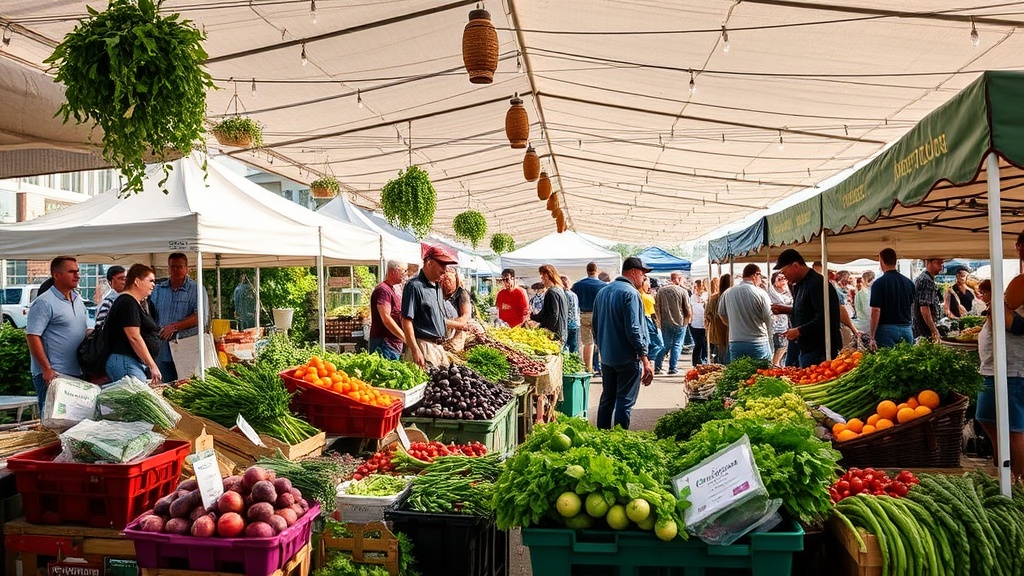
Charlottetown Farmers Market: Your Weekly Guide to Local Vendors and Fresh Finds

What You'll Find at the Charlottetown Farmers Market Every Week
This guide covers everything regular shoppers need to know about the Charlottetown Farmers Market — from which vendors show up on Saturdays versus Wednesdays to where you can grab the best sourdough and who's selling seedlings in spring. Whether you've lived in the capital for decades or just moved into a place near Victoria Park, knowing your way around this market saves time, money, and the disappointment of showing up after the last loaf of bread sells out.
When and Where Is the Charlottetown Farmers Market Open?
The Charlottetown Farmers Market runs year-round at 100 Belvedere Avenue, inside the former hockey arena at the corner of Belvedere and Mount Edward Road. Here's the thing — the hours shift with the seasons, and plenty of locals still get caught off guard when winter schedules kick in.
Winter Hours (November through April): Saturdays only, 9:00 AM to 1:00 PM. The market stays cozy inside the Belvedere Avenue building, with vendors packed into the former ice surface area. Parking fills fast — arrive before 9:30 if you want a spot near the entrance.
Summer Hours (May through October): Saturdays 9:00 AM to 1:00 PM AND Wednesdays 9:00 AM to 1:00 PM. The midweek market draws a smaller crowd, which means shorter lines at PEI Bread Company and first pick of whatever's freshest.
Holiday weekends occasionally shuffle the schedule. The market posts updates on their official website and Instagram — worth checking before you head out on a long weekend.
Which Charlottetown Vendors Should You Know About?
The market hosts roughly 35 regular vendors in winter, swelling to 60+ during peak summer. Not everyone shows up every week, and some of the best stalls sell out by 11:00 AM. These are the Charlottetown-area producers regulars line up for:
The Non-Negotiable Stops
PEI Bread Company — Kim and Robert MacGregor's sourdough loaves (the Maritime Rye, specifically) disappear fast. They bake Friday nights in Milton and haul everything to Belvedere Avenue by 8:30 AM. The catch? They often sell out of the rye before 10:30.
Cooper's Red Meats — Based in Hampshire, about 20 minutes from downtown Charlottetown, this family operation brings frozen beef, pork, and their famous maple breakfast sausages. The ground pork makes excellent meatballs — ask for the mix with sage.
Glashing Meadows — Dave and Sheila Glashan's honey operation from Orwell Cove. Their liquid buckwheat honey has a malty depth you won't find in supermarket bottles. They also sell beeswax wraps and pollen — the latter tucked behind the counter because locals hoard it.
Seasonal Rotators
| Vendor | What They Sell | Best Season | Typical Sell-Out Time |
|---|---|---|---|
| Lady's Slipper Organics | Vegetable seedlings, heirloom tomatoes | May–June | 10:00 AM |
| Winegarden Estate | Haskap berries, preserves, juice | July–August | 12:30 PM |
| Springwillow Farm | Fingerling potatoes, garlic | September–October | 11:30 AM |
| Foxy Fries | Fresh-cut fries, poutine | Year-round (Saturday only) | 1:00 PM |
Worth noting: Foxy Fries operates out of a converted shipping container in the parking lot — not inside the main building. The line moves slow because they cut potatoes to order, but the fries are crisp enough to justify the wait on a cold Charlottetown morning.
What's Actually in Season at the Charlottetown Market?
PEI's growing season runs short and intense. In July, tomatoes flood the tables. By late September, it's all about root vegetables and squash. Here's what Charlottetown shoppers typically find month by month:
May–June: Asparagus from MacKenzie Produce (Kinkora), rhubarb, greenhouse lettuce, bedding plants, and starter herbs. This is when you stock your own garden — the selection at Lady's Slipper Organics beats any big-box greenhouse in the city.
July–August: The floodgates open. Field tomatoes, new potatoes, sweet corn from several farms in the Dunk River area, cucumbers, zucchini, berries (strawberries early, raspberries and blueberries by August). Fish vendors — typically Valley Pearl Oyster Company and a few independent lobster fishers — show up with fresh catch on Saturdays.
September–October: The best time to shop if you put food by. Cases of tomatoes for canning, 50-pound bags of russets, carrots with tops still attached, winter squash, and late apples from orchards near Newtown Cross. Several vendors offer bulk pricing if you ask — save 15-20% on a bushel versus buying piecemeal.
November–April: The slim months. Root cellared carrots and beets, stored cabbage, frozen meats, greenhouse greens (limited), preserved goods, and baked items. This is when prepared food vendors — soups, pierogies, frozen meals — do most of their business.
How to Store What You Buy
That beautiful head of lettuce from Heartbeet Organics? It'll wilt in three days if you don't store it right. Here's what Charlottetown regulars do:
- Leafy greens: Wash immediately, spin dry, wrap in damp tea towels, then into a sealed container. Stays crisp a week.
- Root vegetables: Cut the greens off carrots and beets — otherwise they pull moisture from the root. Store roots in the crisper, unwashed, in perforated bags.
- Fresh bread: The MacGregors' sourdough keeps three days at room temperature in a paper bag (cut side down on the counter). Don't refrigerate — it ruins the crust.
- Honey: Glashing Meadows' raw honey crystallizes in winter. Set the jar in warm water to liquefy; never microwave.
How Do You handle the Market Without Missing the Good Stuff?
The Belvedere Avenue building isn't huge — maybe 10,000 square feet — but it gets crowded fast, and the layout shifts slightly as vendors rotate. Here's a strategy that works:
Arrive right at 9:00 AM on Saturdays if you're after limited items (bread, fresh fish, specific cuts of meat). Do a quick lap first — walk the perimeter, note who's there and what looks abundant, then circle back to buy. The center aisles hold crafts and prepared foods; the perimeter is mostly food producers.
Bring cash for small purchases — some older vendors still don't take cards, though most now have Square readers. There's an ATM inside near the bathrooms, but it charges $3.00 per withdrawal (and it's often out of service).
Parking is free but tight. The lot holds maybe 80 vehicles, and spillover fills the street along Mount Edward Road. Some locals park at the Victoria Park lot on Kent Street and walk the 10 minutes — not a bad option on a nice morning.
What to Skip (and What to Grab Instead)
Not everything at the Charlottetown Farmers Market is local, and not everything local is worth the premium. Some vendors resell wholesale produce — ask where it was grown if the price seems too good. The market requires "substantially grown or produced in PEI" for agricultural vendors, but enforcement varies.
That said, here are solid swaps:
- Skip: Early-season tomatoes that look perfect (they're likely from a greenhouse in Ontario). Grab instead: The ugly heirloom varieties from Lady's Slipper Organics in August — they actually taste like something.
- Skip: Pre-cut herb bundles that've been sitting in water all morning. Grab instead: Potted herbs from Heartbeet Organics — keep them on your windowsill, cut as needed.
- Skip: The "craft" hot sauce that's clearly relabeled commercial product. Grab instead: Hot Stuff PEI's actual small-batch ferments — the jalapeño-garlic is genuinely made in their Crapaud kitchen.
Community Notes — The Unwritten Rules
The Charlottetown Farmers Market isn't just commerce — it's where you run into your neighbor from Queen Street, complain about the latest construction on Grafton, and find out who has extra zucchini to give away. Some observations from years of Saturday mornings:
The coffee situation improved when Receiver Coffee started doing pour-overs at their stall — no more drinking the weak stuff from the machine near the bathrooms. But the line rivals PEI Bread Company's, so decide what's more important: caffeine or carbohydrates.
Bring your own bags. Plastic ones cost 25 cents now, and the paper handles rip when loaded with root vegetables. Most vendors appreciate when you hand them a container you've reused — less packaging waste, and it moves the line faster.
Talk to the vendors. Sheila Glashan remembers your name after two visits. Kim MacGregor will tell you which loaf pairs with the chowder you're making. These aren't anonymous transactions — they're relationships, and in a city the size of Charlottetown, that matters.
The market also serves as an unofficial community board. Lost cat posters, apartment rentals, offers of garden help in exchange for vegetables — check the bulletin board near the entrance if you're plugged into that sort of thing.
The Reality of Winter Shopping
Let's be honest — the Charlottetown Farmers Market in February is a different beast. The selection narrows. The building feels cavernous with only half the vendors. But it's also when you find the devoted regulars, the people who show up for frozen pierogies and stored cabbage because they believe in keeping money in the local economy year-round, not just when the tomatoes are ripe.
The Wednesday summer market? Underrated. Half the crowd, same vendors, no parking stress. If your schedule allows, it's the better experience — you can actually chat without holding up a line of people waiting for their sourdough.
Charlottetown's market won't compete with Halifax's Seaport for scale or variety. That's not the point. It's ours — hyperlocal, occasionally chaotic, and stubbornly committed to the growers and makers who actually live here. Show up early, bring a tote bag, and don't expect the MacGregors to save you a loaf. That's the deal, and for most of us in the community, it works.