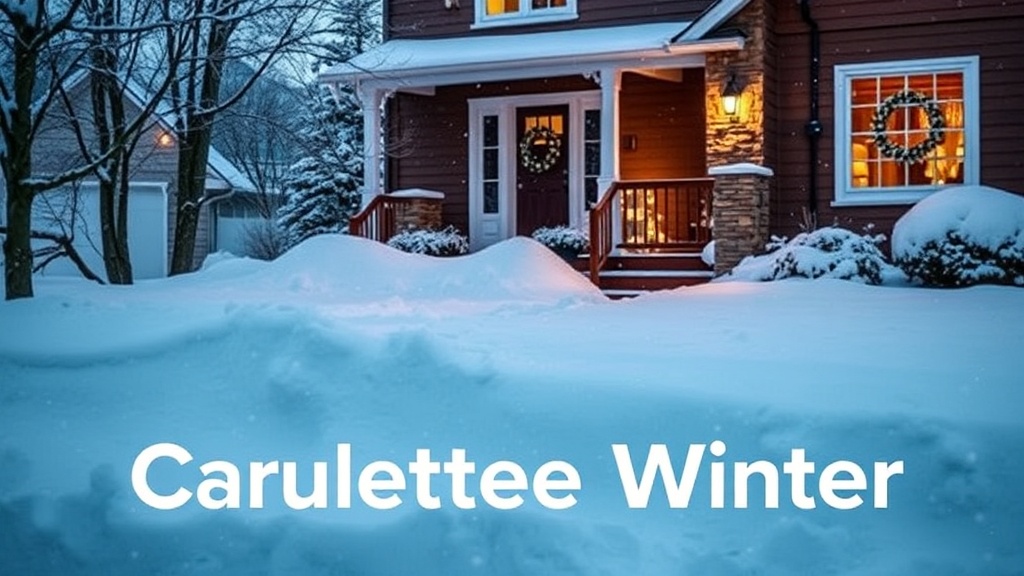
Getting Your Home Ready for a Charlottetown Winter

Nearly 40% of residential heating costs in Atlantic Canada can be attributed to inefficient insulation and air leakage. Living in Charlottetown means we deal with a specific type of damp, biting cold that settles into our Victorian-era homes and modern builds alike. Preparing your property for the freeze isn't just about comfort; it's about protecting your investment and keeping our community's energy consumption stable. This guide covers the practical steps every Charlottetown resident should take to winterize their space before the first heavy snow hits the Northumberland Strait.
Our local weather patterns are unpredictable. One week we might have a mild autumn, and the next, we're staring down a frost that settles in the low-lying areas near the harbor. Being proactive keeps your heating bills from skyrocketing and prevents the dreaded freeze-thaw cycles that damage our local infrastructure. Whether you live in a historic home near Queen Street or a newer development in the West End, these steps matter.
Where do I find local weather-proofing supplies?
You don't need to drive to a massive big-box store in a different province to find what you need. Most of the hardware essentials—like weatherstripping, caulking, and heavy-duty plastic sheeting—can be found right here in town. Check out the local branches of the hardware stores along University Avenue or near the outskirts of the city. If you're looking for specialized insulation advice, it's often better to talk to someone who understands our specific humidity levels. Local shops near the downtown core often carry the smaller, specialized kits for sealing window gaps that are perfect for the older window frames we see so often in the historic districts of Charlottetown.
What are the best ways to seal drafty windows?
If you've noticed a chill while sitting in your living room, your windows are likely the culprit. For the older homes around the North End or the downtown core, a simple roll of bubble wrap and a spray bottle of water can actually provide a temporary, inexpensive thermal barrier. It's a common trick used by many of our neighbors during the colder months. For a more permanent solution, look for high-quality silicone-based sealants. Applying these to the exterior seams of your window frames prevents that freezing wind from whistling through your house. If you have double-hung windows, check the sash tracks for any gaps—a tiny bit of felt or specialized tape can make a massive difference in how much heat stays inside your home.
How can I prevent frozen pipes in my Charlottetown home?
Water-related emergencies are a common headache during our Atlantic winters. To prevent this, focus on your exterior faucets first. If you have a hose connected to a spigot on your side of the house, disconnect it immediately. We've all seen those neglected hoses that end up bursting a pipe inside the wall. If you have a single-handle faucet that isn't a frost-free model, you might want to invest in a small insulated cover from a local hardware store. If you live in a tighter-knit neighborhood with shared lines or older plumbing, checking your basement insulation is a smart move. Ensure your furnace or water heater is in a space that stays above freezing—this is a common area of concern for residents in the older parts of Charlottetown.
Which areas of my house need the most attention?
The attic and the basement are usually the two most critical areas. Heat rises, but in a poorly insulated attic, that heat escapes straight through the roof. If you're noticing high heating bills, it might be time to check your loft insulation. Down in the basement, ensure your pipes are wrapped in foam sleeves. This is particularly important if you have a crawl space or a basement that sits close to the ground. Taking an hour to walk through your home and feeling for drafts—especially near baseboards and door frames—will tell you exactly where to focus your efforts. A small bead of caulk around a window sill can save you much more than the cost of the tube of caulk itself.
It's also worth looking at your outdoor drainage. We want the snow and meltwater to move away from your foundation, not toward it. If your gutters are clogged with leaves from the previous summer, the melt during a January thaw can lead to ice damming on your roof. This is a major issue for many homes in the more residential streets of our city. Keep those gutters clear to ensure the water flows freely down to the street level. Being part of a community means looking out for one another, and that includes maintaining our properties so we don't create issues for our neighbors during the spring thaw.
For more information on climate resilience and local weather patterns, you can check the official Environment and Climate Change Canada website to track upcoming seasonal trends. Staying informed helps us prepare for the long winter months ahead in our beautiful city.
| Area of Focus | Action Item | Benefit |
|---|---|---|
| Windows | Apply weatherstripping | Reduced drafts and lower heating costs |
| Doors | Install door sweeps | Prevents cold air from entering the entryway |
| Pipes | Insulate exterior faucets | Prevents burst pipes and water damage |
| Attic | Check insulation levels | Retains heat within the living space |