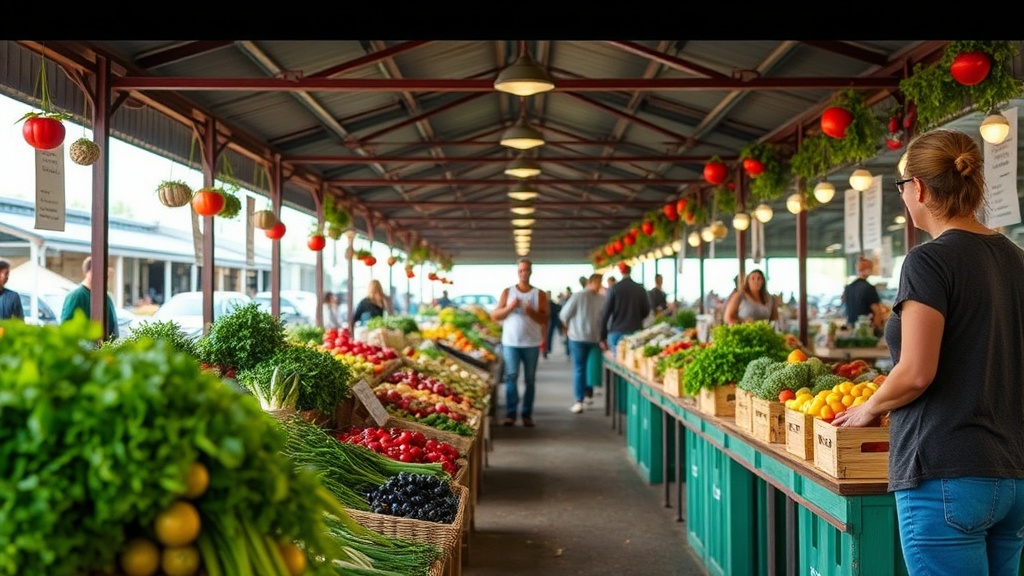
How to handle Charlottetown's Farmers' Market Like a Local

What Makes Charlottetown's Farmers' Market Different from Grocery Stores?
The Charlottetown Farmers' Market offers something big-box retailers can't replicate — direct relationships with the people growing produce in Queens County fields, baking bread in Stratford kitchens, and raising livestock across Prince Edward Island. This post covers everything from parking logistics to seasonal timing, vendor etiquette to payment methods. Whether you're a first-time visitor or a regular looking to shop smarter, you'll find practical strategies for getting the most from this community institution.
Located at 100 Belvedere Avenue (right next to the Chrysler Complex), the market has anchored Charlottetown's local food scene since 1986. It's not just a place to buy groceries — it's where island producers connect directly with the community. The catch? The market operates on its own rhythm, and newcomers often miss the best produce by arriving at the wrong time or approaching vendors like supermarket cashiers.
When Should You Arrive for the Best Selection?
Arrive between 9:00 and 10:00 AM on Saturdays for peak selection — most vendors sell out of popular items by 11:30 AM, and the market closes at 2:00 PM sharp.
Here's the thing about Charlottetown's market schedule: it runs year-round, but the character changes dramatically with the seasons. Summer Saturdays burst with strawberries from Fortune Bridge, corn from Rustico, and tomatoes grown in the red soil that makes Prince Edward Island famous. Winter markets (held indoors at the same Belvedere Avenue location) shift toward root vegetables, preserved goods, and prepared foods.
Wednesday afternoon markets run from 12:00 PM to 5:00 PM during summer months — these tend to be less crowded, with more families and fewer tourists. If you're shopping for staples rather than specialty items, Wednesday might suit you better. That said, Saturday remains the main event.
Worth noting: some vendors — particularly those selling baked goods and meat — accept pre-orders for Saturday pickup. This guarantees you get what you want without the early rush. Check the market's official vendor directory to contact producers directly.
Seasonal Shopping Calendar for Charlottetown
| Month | Peak Items | Crowd Level |
|---|---|---|
| May-June | Asparagus, rhubarb, early greens | Moderate |
| July-August | Berries, corn, tomatoes, peaches | High — arrive early |
| September-October | Apples, squash, root vegetables | Moderate to high |
| November-April | Storage crops, meat, baked goods, crafts | Lower — relaxed pace |
How Do You handle the Layout Efficiently?
The Belvedere Avenue building splits into three main zones: the covered outdoor pavilion (summer only), the main indoor hall, and the community room for special events.
Most regular shoppers develop a routine. Here's one that works: start with the outdoor pavilion (weather permitting) for seasonal produce, move indoors for meat, dairy, and baked goods, then finish with whatever's left on the list. The indoor space can get crowded — especially near the coffee vendors — so grabbing heavy or refrigerated items last saves you from carrying them through tight spaces.
The market posts a current vendor map on their website, but here's a quick overview of where to find what:
- North wall: Meat vendors (beef, pork, chicken, lamb from Island farms)
- Center tables: Seasonal produce, rotating based on availability
- South wall: Baked goods, preserves, and prepared foods
- East corner: Coffee, ready-to-eat items, and the community information board
- Outdoor pavilion: Additional produce vendors in summer, often with better prices on bulk items
Bring reusable bags — lots of them. Vendors appreciate it, and you'll need them. Produce at Charlottetown's market tends to be fresher (and therefore heavier with moisture) than supermarket equivalents. Those carrots still have their greens attached. Those beets? Dirt still clings to them. That's a feature, not a bug — it means they were pulled from the ground recently.
What's the Etiquette for Interacting with Vendors?
Ask questions, sample when offered, and respect that these producers set their own prices — haggling isn't part of Charlottetown market culture.
The vendors here aren't employees; they're business owners who grew, raised, or made what they're selling. Many operate farms within 30 kilometers of Charlottetown — places like Coleman, York, and Belfast. They know their products intimately and generally love talking about them.
Sample etiquette varies by vendor. Most offering cheese, preserves, or baked goods keep small tasting portions available. Don't abuse this — one sample is plenty to decide. If you're genuinely uncertain about purchasing, it's better to ask questions than to take multiple tastes.
Cash remains king at many stalls, though most vendors now accept debit and credit cards. That said, bringing cash (especially small bills) speeds transactions and helps vendors avoid card processing fees. There's an ATM inside the building, but it charges fees — better to come prepared.
Photography requires awareness. Some vendors welcome photos of their displays; others prefer you ask first. When in doubt, a quick "Mind if I take a photo?" goes a long way. Never photograph people — vendors or other shoppers — without explicit permission. Charlottetown's market functions partly as a community gathering space, and residents value their privacy.
Questions That Show You're a Local (Not a Tourist)
- "How's the growing season treating you this year?"
- "Did the frost hit your early planting?"
- "Will you have [specific item] next week?"
- "Where's your farm located?" (Followed by actual knowledge of PEI geography)
What Should You Actually Buy Here?
Focus on what Charlottetown's climate and soil produce exceptionally: root vegetables, berries, potatoes (obviously), grass-fed meat, and artisan bread.
Prince Edward Island's red soil — rich in iron oxide — gives local produce a distinctive flavor profile. The potatoes need no introduction; they've been the island's agricultural backbone for generations. But don't overlook lesser-known specialties: haskap berries (honeyberries) from growers near Mount Stewart, sea buckthorn products, and heritage grains milled in small batches.
Meat purchases here often require planning. Unlike supermarkets, vendors sell frozen product (fresh butchering happens on-farm, then quick-frozen for transport and food safety). Factor thawing time into your meal planning. Bulk purchasing — quarter or half animals — offers significant savings if you have freezer space.
The baked goods deserve special mention. Several vendors operate commercial kitchens in Charlottetown itself, turning out sourdough, croissants, and traditional Maritime treats like date squares and oatcakes. These sell out fast — another reason to arrive early.
What to skip? Items clearly not local (bananas, citrus, out-of-season tomatoes) that some vendors resell. The market has rules about producer-only sales, but enforcement varies. If you're unsure whether something was grown or made in Prince Edward Island, ask. Genuine local producers will proudly tell you exactly where their products originate.
How Do You Handle Parking and Logistics?
The main lot fills by 9:30 AM on Saturdays — plan for street parking on Kensington Road or use the overflow lot near the Charlottetown Civic Centre (five minutes' walk).
Accessibility at the Belvedere Avenue location is reasonable but not perfect. The main entrance has a ramp, and the indoor space is navigable for wheelchairs and strollers. The outdoor pavilion presents more challenges — it's gravel in some sections, and summer crowds create narrow pathways between stalls.
Bring a cooler bag if you're purchasing meat or dairy, especially in summer. The market isn't climate-controlled (though it's heated in winter), and direct sunlight hits the outdoor pavilion hard. Those frozen pork chops won't stay frozen long in a July parking lot.
Public transit connects reasonably well — the T3 Transit system runs routes past the market, though Saturday schedules are limited. Cycling is viable from most Charlottetown neighborhoods; bike racks sit near the main entrance.
What About the Community Beyond Shopping?
The market hosts live music, cooking demonstrations, and seasonal events that deepen its role in Charlottetown's social fabric.
Local musicians perform most Saturdays — folk, fiddle, and acoustic sets that reflect island musical traditions. The community room occasionally hosts workshops: fermentation basics, bread baking, or seasonal preserving techniques. These events are announced on the bulletin board near the east entrance and through the market's social media.
For new residents, the market serves as an informal introduction to Charlottetown's rhythm. You'll recognize neighbors, overhear local news, and learn which farms had good growing years. It's not unusual to see city council members shopping alongside university students and longtime residents — the market cuts across demographic lines in ways few other Charlottetown institutions manage.
The market also operates a SNAP matching program (Supplemental Nutrition Assistance Program), doubling purchasing power for low-income shoppers. This matters in a city where food security affects significant portions of the population. If you're in a position to donate, contribution boxes sit near the main entrance.
Shopping at Charlottetown's Farmers' Market requires more effort than a quick grocery run. You handle variable hours, weather-dependent parking, and the occasional sold-out disappointment. The trade-off is produce that tastes like it should, relationships with the people feeding your community, and money staying within Prince Edward Island's economy rather than flowing to distant corporate headquarters.
Start with one Saturday morning. Arrive at 9:00 AM with cash, reusable bags, and no fixed agenda beyond curiosity. Talk to three vendors. Buy something unfamiliar. Return the following week with a better sense of what's worth your money and what's best left at the supermarket. That's how locals do it — through repetition, relationships, and the understanding that good food in Charlottetown comes from specific places worked by specific people.
Steps
- 1
Plan Your Visit for the Best Experience
- 2
Connect with Local Vendors and Producers
- 3
Shop Seasonally and Make the Most of Your Haul