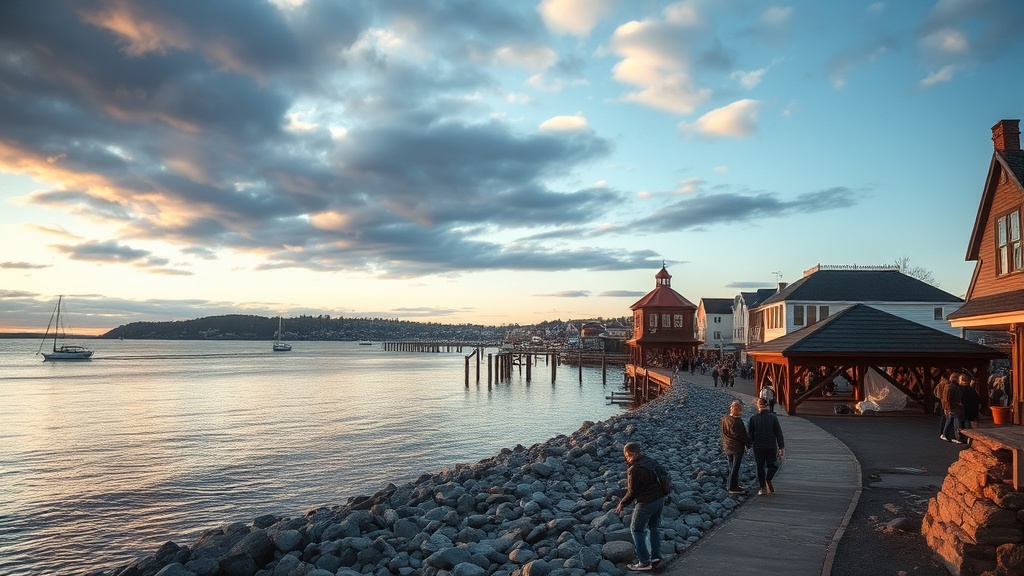
Where Do Charlottetown Locals Actually Spend Their Free Time?
This listicle maps out the community spaces, hidden gathering spots, and neighbourhood resources where Charlottetown residents actually connect — not the tourist trail, but the real rhythms of local life. Whether you have lived here for decades or just unpacked your boxes on a quiet side street, these are the places that anchor our community.
What Makes a Place Feel Like Home in Charlottetown?
We have all walked past a storefront or community centre dozens of times before stepping inside. In Charlottetown, the places that matter most to locals often hide in plain sight — a basement arts space, a volunteer-run library branch, a park bench where neighbours have gathered for years. The question is not what looks picturesque; it is where do people actually go when they need connection, support, or simply a familiar face.
Our city is small enough that you will run into someone you know at the grocery store, but large enough that you can still discover pockets of community you never knew existed. The key is knowing where to look — and more importantly, feeling welcome when you arrive.
Which Charlottetown Parks Do Locals Actually Use Year-Round?
Tourists flock to the waterfront boardwalk in July, but ask any Charlottetown resident where they go on a Tuesday evening in March, and the answers get more interesting. Victoria Park remains the beating heart of our outdoor community life — not just for the walking trails, but for the pickup basketball games, the dog walkers who know every dog by name, and the winter skaters who show up when the pond freezes.
Further north, Brighton Road Complex serves as an unofficial community hub for families with young children. The playground gets busy by 9 a.m. on Saturdays, and you will find the same parents swapping school recommendations and snow-day childcare strategies. It is not glamorous, but it is where local knowledge gets shared.
The Confederation Trail cuts through multiple neighbourhoods, and each section has its own regulars. The stretch near the Sherwood Road access point draws commuters on bikes and residents walking dogs before work. Stop there on a weekday morning and you will see the same faces — proof that community builds through repetition and proximity.
Where Can You Find Free Community Programming in Charlottetown?
The Charlottetown Public Library on Queen Street offers far more than books. Their free workshop series covers everything from digital literacy for seniors to resume clinics for job seekers. The basement meeting rooms host neighbourhood associations, newcomer conversation circles, and the occasional impromptu gathering when the weather turns cold.
At the Confederation Centre of the Arts, the free programming often gets overlooked in favour of ticketed shows. But the outdoor amphitheatre hosts community concerts, the lobby gallery features local artists, and the public spaces fill with parents and retirees escaping the afternoon heat. It is a civic building that actually functions as civic space.
For families, the CARI Complex at UPEI opens its doors for public swimming and community sports programs. The rates are reasonable, the staff knows repeat visitors, and the bleachers serve as informal meeting spots for parents waiting out swim practice. It is utilitarian, welcoming, and genuinely local.
Which Neighbourhoods Have the Strongest Community Character?
Downtown Charlottetown gets the attention, but the residential neighbourhoods each carry distinct personalities. Sherwood functions as a self-contained village within the city — residents shop at the local grocery stores, attend services at neighbourhood churches, and organize their own clean-up days at nearby parks. The sense of ownership runs deep there.
Brighton mixes long-term residents with newer families, creating a demographic blend that keeps community associations active and vocal. The school zones matter here, and you will see lawn signs for local causes alongside the hockey equipment drying on porches.
In Spring Park, the proximity to downtown means students, young professionals, and retirees share the same streets. The result is a neighbourhood that supports both the retired teacher tending a heritage garden and the twenty-something renting their first apartment. Community here looks like patience and coexistence.
Even West Royalty, often dismissed as purely residential, has developed pockets of gathering space around its schools and church basements. The subdivision layout may not encourage spontaneous interaction, but the residents have built community through deliberate effort — book clubs, sports teams, and school fundraisers that bring people together.
How Do You Actually Meet People in Charlottetown?
The honest answer: you show up repeatedly. Charlottetown operates on recognition and relationship. The person you nod at while walking through Connolly Street Park becomes someone you chat with after three months of shared hellos. The volunteer shift at a community event becomes a standing commitment because you know the other volunteers now.
Local sports leagues — hockey, soccer, softball — function as social infrastructure. Even if you do not play, showing up to watch a game at MacLauchlan Arena or Victoria Park puts you in contact with families and fans who return week after week. The conversation starts with the game and eventually moves to school boundaries and contractor recommendations.
Faith communities remain central to social life for many residents, but even the secular among us find connection through volunteer organizations. The Upper Room Soup Kitchen, Big Brothers Big Sisters of Prince Edward Island, and neighbourhood associations all need hands — and they remember the hands that show up.
What About Winter — Where Does Everyone Go?
Winter separates the tourists from the residents. When the sidewalks ice over and the wind cuts across the harbour, Charlottetown locals retreat to indoor gathering spots that reward loyalty. The Charlottetown Mall becomes a walking track for seniors. The City Cinema on King Street draws the film crowd who recognize each other by sight. The bowling alley at Carlisle Interchurch Ministry — yes, the church basement — hosts leagues that have run for decades.
Coffee shops shift from places to grab a drink to places to linger. The same tables at Receiver Coffee on Victoria Row fill with freelancers and retirees who stay for hours. The staff knows their orders. The customers know each other. It is not about the coffee; it is about not being alone during a February storm.
Community centres — the Milton Community Hall, the West Royalty Community Centre — host craft sales, card games, and exercise classes that keep neighbours connected through the darkest months. These buildings are not architecturally significant, but they are socially essential.
Which Local Resources Get Overlooked?
The Charlottetown Farmers' Market operates year-round now, and the winter market at the Belvedere Avenue location has become as much social event as shopping trip. Vendors know their regular customers. Shoppers run into neighbours they have not seen since fall. It is commerce as community building.
The city's Recreation and Leisure Services department offers programming that many residents never discover — adult education classes, fitness programs, and community events listed on the City of Charlottetown website. The fees are subsidized for residents, and the instructors often live in the neighbourhoods they serve.
For parents, the Early Childhood Development Association of PEI operates family resource centres that welcome drop-ins. You do not need to be in crisis to use them — they are simply safe, warm spaces where children play and adults find conversation with other adults.
Where Should You Start?
Pick one place from this list and visit it three times. That is the real secret to finding your footing in Charlottetown — repetition builds recognition, and recognition builds community. The city rewards the people who stick around, who show up, who remember names.
We live in a place where the person bagging your groceries might also coach your kid's soccer team. Where the city councillor shops at the same pharmacy you do. Where community is not a buzzword but a practical necessity — we need each other because we are all here, in this small city, facing the same weather and sharing the same streets.
Your community in Charlottetown is waiting. It is probably in a church basement, or a park pavilion, or a library meeting room. It is definitely not on any tourist map. Go find it — and when you do, keep showing up.
Know a neighbourhood gathering spot we missed? Drop a comment with your favourite local place to connect with other Charlottetown residents.