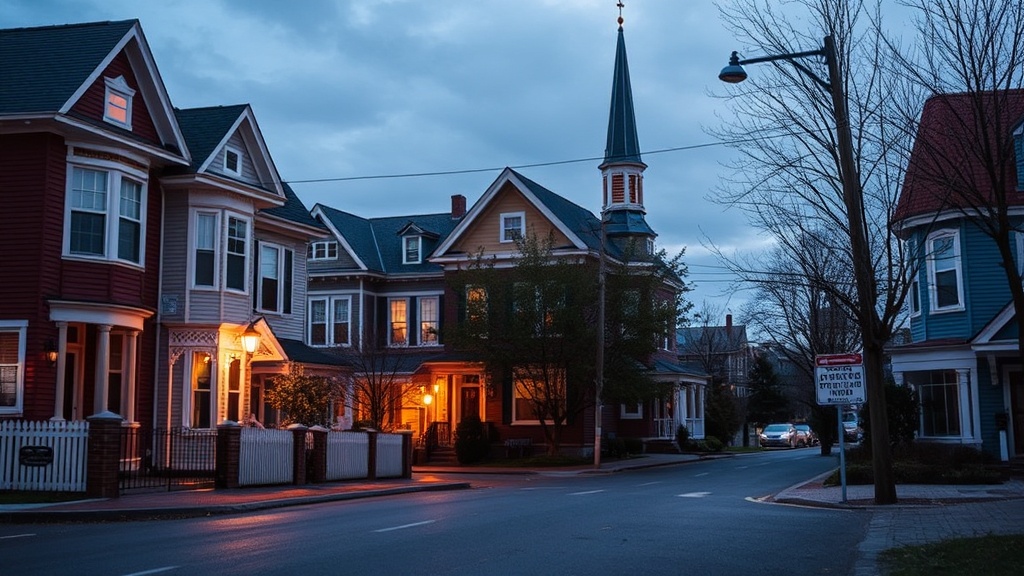
Which Charlottetown Neighbourhood Associations Actually Get Things Done?

Why Most Locals Ignore Neighbourhood Groups (And Why That's a Mistake)
There's a persistent belief around Charlottetown that neighbourhood associations are just echo chambers for retirees with too much time on their hands—places where nothing actually gets decided and city staff nod politely before ignoring every recommendation. That's outdated thinking. Over the past few years, Charlottetown's community councils and neighbourhood groups have evolved into surprisingly effective channels for shaping everything from traffic calming measures to park improvements to zoning decisions that affect your property values.
If you've ever complained about speeding on your street, wondered why that empty lot never gets developed, or wished the city would fix the drainage on your corner, you've probably been shouting into the void on social media. The people actually getting results? They're showing up to meetings at the Charlottetown Civic Centre, joining their local association's email list, and learning how to navigate the city's consultation processes. This isn't about becoming a busybody—it's about understanding where power actually sits in our municipal structure and how regular residents can access it.
What Do Charlottetown's Neighbourhood Associations Actually Control?
Here's where many locals get confused. Your neighbourhood association doesn't have legal authority—that rests with Charlottetown City Council and the various municipal departments. But associations have something almost as valuable: early access to information and established relationships with the planners, engineers, and councillors who make decisions. When the city's transportation department is considering bike lane routes, they consult with affected associations first. When a developer submits a rezoning application for a parcel near your home, the association receives notification and can request a presentation.
The Downtown Charlottetown Residents' Association, for instance, has successfully influenced everything from heritage building protections to pedestrian zone expansions on Queen Street. The Brighton Area Residents' Association played a significant role in shaping the waterfront trail connections and pushing for traffic calming measures along the residential streets near Victoria Park. These aren't ceremonial roles—they're genuine opportunities to shape how Charlottetown grows.
Associations typically meet monthly, often at community centres like the Simmons Sports Centre or Beaconsfield Carriage House. Many have moved to hybrid formats post-pandemic, so you can participate virtually if you've got kids to wrangle or work odd hours. The commitment level is flexible—you can be a passive member who just reads meeting minutes, or you can dive in and join working groups on specific issues like housing affordability or environmental stewardship.
Where Should Charlottetown Residents Focus Their Energy?
Not all neighbourhood associations operate with the same level of engagement or effectiveness. Some are essentially dormant, meeting quarterly out of obligation with the same eight people. Others are vibrant, well-organized groups that genuinely represent hundreds of households and carry weight at City Hall. If you're looking to get involved, here's where your energy will actually matter.
The Central District covers the historic core of Charlottetown including the downtown, waterfront, and surrounding residential areas. The Central Queen Street Residents' Association has been particularly active on housing issues, pushing for more diverse housing types and better protections for renters. They've also been vocal about the need for more frequent public transit service along the main corridors. If you live in a downtown apartment or one of the heritage homes in the core, this is your voice.
The Brighton Area encompasses the neighbourhood surrounding Victoria Park and extending toward the Charlottetown Harbour. This association tends to focus on environmental concerns—protecting mature trees, maintaining green space access, and ensuring new development respects the area's character. They've been effective at slowing down inappropriate development and pushing for better infrastructure when new projects do move forward. The proximity to the park means they also weigh in heavily on recreation programming and facility maintenance.
The West Royalty and East Royalty areas have their own associations that deal with the unique challenges of suburban Charlottetown—school catchment issues, road maintenance in newer subdivisions, and the ongoing tension between preserving agricultural land and allowing residential expansion. These groups often find themselves in direct conversation with the provincial government as well as the city, since many of the planning decisions in these areas involve provincial land use policies.
The Sherwood area has a particularly active community council that focuses on issues affecting the commercial corridors along St. Peter's Road and the residential neighbourhoods surrounding it. They've been instrumental in pushing for improvements to the transit service connecting Sherwood to downtown, and they've worked closely with the Province of Prince Edward Island's transportation department on road safety improvements.
How Do You Actually Join and Make Yourself Heard?
Finding your association is straightforward. The City of Charlottetown maintains a list of recognized community organizations on their website, though it's not always perfectly up to date. A quicker method is to search Facebook for your neighbourhood name plus "association" or "residents"—most active groups maintain social media pages where they post meeting notices and discussion topics. You can also call the city's planning department directly; they'll tell you which association covers your address and how to contact them.
Once you've found your group, attend a meeting before committing. Every association has its own culture. Some are formal and parliamentary, with agendas and minutes and Robert's Rules of Order. Others are casual gatherings at someone's kitchen table. Some focus almost exclusively on development applications and zoning. Others take on broader community issues like food security, environmental initiatives, or social programming. Make sure the group's priorities align with what you actually care about.
When you do decide to speak up, come prepared with specifics. Vague complaints about traffic or noise don't move the needle. Detailed observations—"I've counted 47 vehicles exceeding 50 km/h on my street during morning rush hour" or "This development proposal would eliminate the only mature trees on our block"—get attention. Take photos. Keep logs. The residents who get results are the ones who treat their concerns like research projects rather than gripes.
What About the Issues That Cross Neighbourhood Boundaries?
Some of Charlottetown's most pressing challenges don't respect neighbourhood lines. Housing affordability affects everyone from downtown renters to suburban homeowners worried about property tax assessments. Climate resilience—flood prevention, heat island mitigation, stormwater management—requires coordinated approaches across the entire city. Transit improvements need regional thinking that connects Charlottetown with the broader City of Charlottetown planning framework.
This is where the Charlottetown Area Residents' Association Network comes in. This umbrella organization coordinates between individual neighbourhood groups and advocates on city-wide issues. They're the ones pushing for the integrated transit system, organizing responses to provincial housing policies, and ensuring that when the city develops its climate action plans, resident voices are part of the conversation. Individual associations can get bogged down in hyperlocal concerns—parking on one street, a single development application—and the network provides the structure for thinking bigger.
The network also helps newer or less-resourced associations learn from more established ones. If your neighbourhood group is struggling to get members or doesn't know how to respond to a complex planning application, the network can connect you with experienced advocates who've dealt with similar situations. This knowledge-sharing makes the entire system more effective and ensures that wealthier, more organized neighbourhoods don't capture all the attention from city staff.
When Should You Go Directly to City Council Instead?
Neighbourhood associations are powerful tools, but they're not always the right venue. If you're dealing with an immediate emergency—a dangerous intersection, a failing sewer line, an aggressive enforcement action—you should contact your city councillor directly or call the appropriate city department. Associations meet monthly at best; some issues can't wait.
Similarly, if your concern is explicitly political—if you want to change city policy rather than respond to a specific local development—you may need to work through electoral politics rather than community consultation. Attend council meetings. Write to your representatives. Join or form advocacy groups that focus on specific policy areas. The Charlottetown City Council sets the rules that associations operate within, and changing those rules requires political pressure.
But for the day-to-day decisions that shape how Charlottetown feels to live in—how wide the sidewalks are, whether that empty lot becomes affordable housing or a gas station, when the city finally fixes the drainage on your street—your neighbourhood association is the most direct route to influence. The people who show up consistently, who do their homework, who build relationships with city staff and councillors, genuinely do shape outcomes. Charlottetown is small enough that individual voices still matter. The question is whether you'll be one of them.